This is a historic recognition: in July 2026, in South Korea, the D-Day Beaches of Normandy, 1944, were inscribed on the UNESCO World Heritage List. The culmination of nearly twenty years of collective effort, this inscription honors a site of remembrance that is unique in the world, a universal symbol of freedom, peace, and reconciliation.
International Recognition for a Site Steeped in History
The inscription of the D-Day Beaches on the UNESCO World Heritage List marks the culmination of a long process launched in 2008 by the Normandy Region, in partnership with the French government, the relevant local authorities, and numerous local stakeholders.
This recognition highlights the Outstanding Universal Value of the D-Day Beaches. On June 6, 1944, the Normandy coast was the scene of Operation Neptune, the first phase of the Allied landings that paved the way for the liberation of Western Europe and the end of World War II in Europe. Today, the beaches of Utah, Omaha, Gold, Juno, and Sword form a unique cultural landscape, where the physical traces of the event blend with a living memory shared on an international scale.

Preserving the Traces of the Past to Convey a Message for the Future
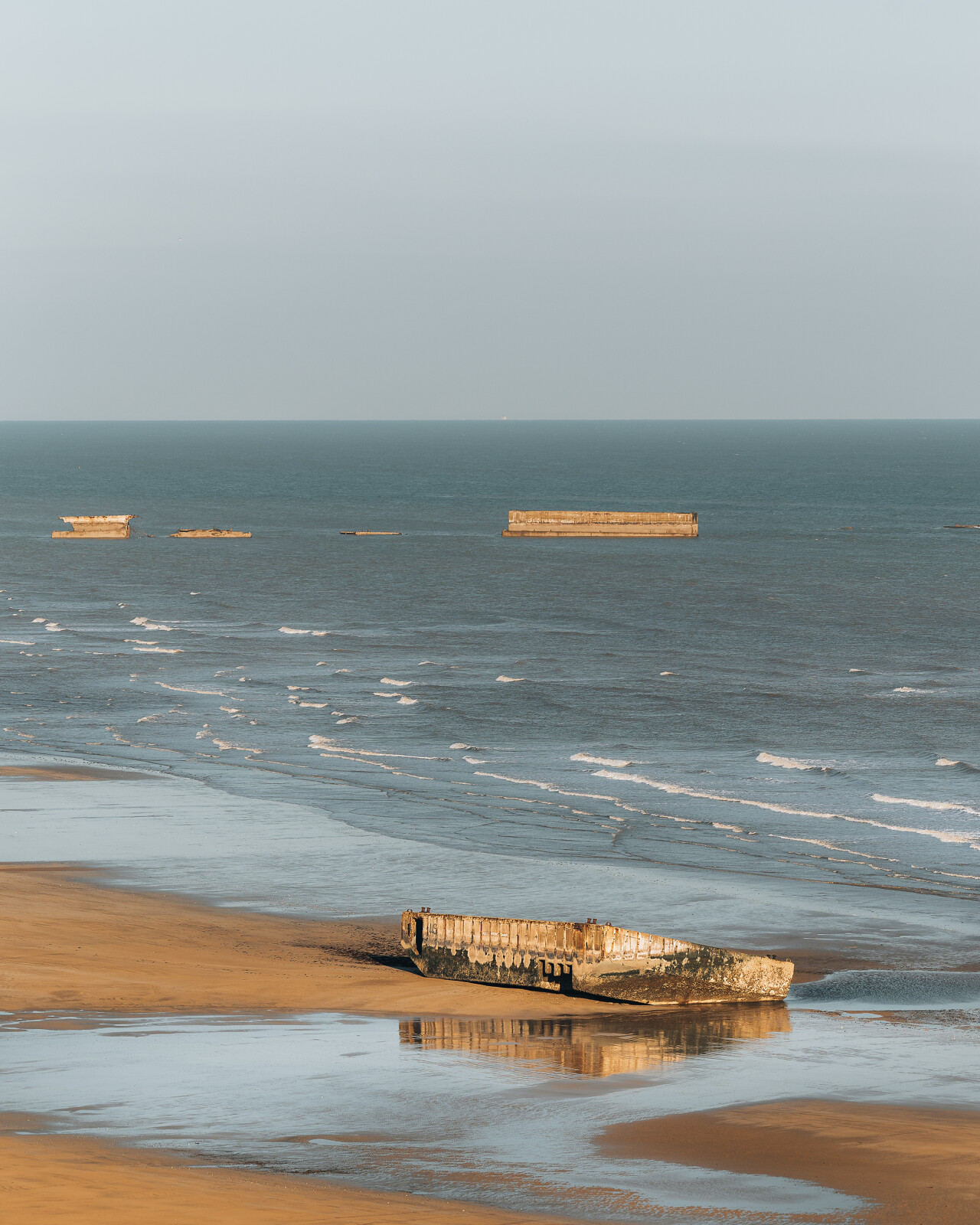
Along nearly 80 kilometers of coastline, from Ravenoville to Ouistreham, numerous reminders of the event remain: remnants of the Atlantic Wall, traces of Allied fortifications, underwater wrecks, the remains of the Mulberry B artificial harbor, military cemeteries, and memorials. This exceptional heritage site stands as one of the last direct reminders of a major turning point in contemporary history.
Beyond these historical remains, the D-Day Beaches embody an essential intangible dimension. For more than eight decades, they have welcomed millions of visitors from around the world who come to remember, pay tribute, and pass on this history to future generations. They symbolize the struggle for freedom, as well as reconciliation between former enemies and the hope for lasting peace among peoples.
A World Heritage Site for Future Generations
This designation reinforces Normandy’s commitment to preserving this exceptional heritage, strengthening its transmission, and bringing to life the universal values it embodies. It also recognizes the role of the D-Day Beaches as a global gathering place centered on a message of peace—a message that is particularly valuable in an international context marked by new tensions and conflicts.

For the Normandy Region and all of its partners, this international recognition represents both an achievement and a responsibility: the responsibility to protect this heritage for the long term, to welcome visitors in a manner that respects the spirit of these sites, and to continue making the D-Day Beaches a place of remembrance, dialogue, and commitment to peace.