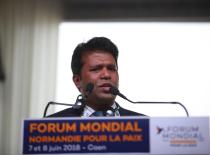
On November 19, 2026, the International Court of Justice found a state, Myanmar, guilty of genocide for the first time. This was a landmark decision, coming eight years after the call to action on behalf of the Rohingya made at the first Normandy World Peace Forum in 2018.
A First in the History of International Law
The International Court of Justice (ICJ), meeting in The Hague on Thursday, November 19, 2026, issued an unprecedented ruling. After the case was brought before it in November 2019 by The Gambia, the UN judicial body found that Myanmar had violated the 1948 Convention on the Prevention and Punishment of the Crime of Genocide on six occasions during military operations carried out against the Rohingya Muslim minority.
In a detailed ruling, the judges found the Burmese state liable for acts of mass murder, serious violations of physical and mental integrity, and measures aimed at curbing births among this population. Beyond the symbolic and legal condemnation, the ICJ ordered Burma to provide reparations for the harm suffered by the victims and to prosecute the perpetrators of these crimes.
A Direct Echo of the Mobilization at the 2018 Normandy World Peace Forum
This decisive step forward for international justice directly reflects the commitments made by the Normandy Region and the Normandy World Peace Forum since its inception.
From its very first edition in June 2018—just a few months after the mass exodus of more than 700,000 Rohingya fleeing abuses to neighboring Bangladesh—the Forum had made this humanitarian tragedy one of its top priorities. Through discussions among international experts, human rights defenders, and witnesses, a solemn appeal was issued at that time to alert the international community, protect civilian populations, and demand that those responsible be held accountable for their actions.
A Landmark Ruling for the Future
Eight years after that appeal, the International Court of Justice’s ruling serves as a reminder that while international justice may take time, the law ultimately catches up with impunity. By clarifying the criteria for establishing a state’s genocidal intent based on systematic and contextual evidence, this decision now serves as a landmark precedent for the entire international community.